10 Examples of Concentrate Feed for Cattle
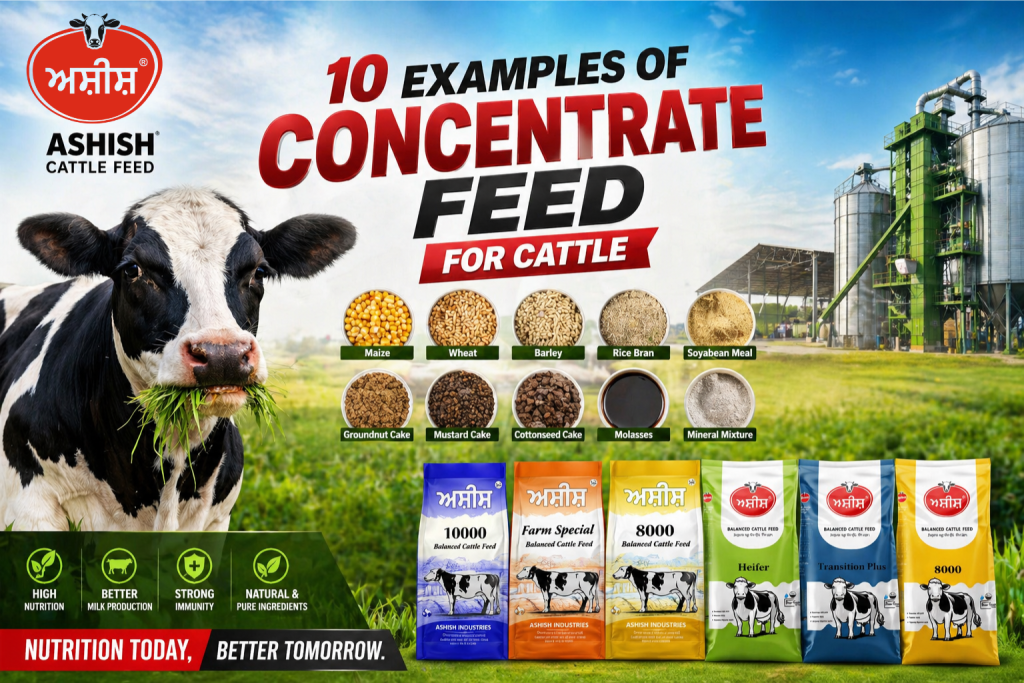
Modern dairy farming is seeing a major role played by the right cattle feed in improving milk production, animal health and overall farm profitability. Green fodder and dry roughage like bhusa (straw) are important but often insufficient to meet the nutritional needs of high producing animals. That’s where cattle concentrate feed comes in. Concentrates are good sources of nutrients such as protein, energy, minerals and vitamins. They help in balancing the diet and also support better digestion, higher milk yield and improved body condition. In this blog, we’ll break down 10 examples of concentrate feed for cattle that are commonly used by dairy farmers. We’ll also provide practical insights to help you choose the right cow feed for your animals. What is Concentrate Feed for Cattle? Concentrate feed is low-fibre, high-energy and high-protein food fed together with roughage. Concentrates are designed to supply required nutrients in a smaller amount as compared to green fodder. Why farmers use concentrate-based cattle feeding is to Raise milk production. Improvement of milk fat & SNF To promote growth of heifers Keeping animals healthy during lactation Good quality cow food gives animals balanced nutrition every day. nutrition daily. 1. Maize (Corn) Maize is one of the most widely used energy-rich ingredients in cattle food. It is highly digestible and provides quick energy, which is especially useful for lactating animals. Maize is commonly included in commercial cattle feed formulations by leading cattle feed companies. 2. Soybean Meal Soybean meal is a premium protein source and is widely used in cow feed. Many animal feed manufacturers in Punjab use soybean meal in their high-quality formulations. 3. Mustard Oil Cake Mustard cake is a cost-effective protein supplement commonly used in India. It is a popular ingredient in traditional cattle feeding practices. 4. Cottonseed Cake Cottonseed cake is another protein-rich feed widely used for dairy animals. This makes it a valuable part of balanced cow food. 5. Wheat Bran Wheat bran is a common by-product used in cattle feed. It is often mixed with other ingredients by cattle feed companies to create balanced feed. 6. Rice Bran Rice bran is another popular concentrate ingredient used in cow feed. Farmers often include it in daily cattle feeding for better intake. 7. Barley Barley is an energy-rich grain used in cattle food. It is commonly used by premium milk cattle feed manufacturers. 8. Molasses Molasses is added to improve taste and energy value. It is widely used in commercial cattle products to enhance palatability. 9. Mineral Mixture Minerals are essential for proper growth and milk production. No cattle feeding plan is complete without a proper mineral mix. 10. Compound Cattle Feed (Balanced Feed) Compound feed is a scientifically formulated mixture of all nutrients. This is where brands like Ashish Cattle Feed play an important role. Instead of mixing ingredients manually, farmers can use ready-made cattle feed designed for different production levels. Example Products from Ashish Cattle Feed: Ashish 8000 Mash Designed for animals producing 10–12 litres/day. Supports consistent milk output and better quality. Ashish 10000 Mash Ideal for 12–18 litres/day animals with higher digestible protein for improved performance. Ashish Farm Special Best suited for high-yield animals (20L+). Enriched with minerals, vitamins, and yeast culture. Ashish 8000 Pellet Balanced pellet feed for 12–18L animals with added trace minerals. Ashish 10000 Pellet High-energy feed for 18–30L milk production with improved digestibility. These products are developed keeping real farm conditions in mind, making them reliable cattle products for daily use. Why Concentrate Feed is Important Using concentrate-based cow feed ensures that animals get: Without proper cattle feeding, even the best breeds won’t perform to their full potential. Choosing the Right Cattle Feed Not all cattle feed companies offer the same quality. When selecting feed, consider: Reliable animal feed manufacturers in Punjab focus on quality control, lab-tested products, and farmer results. Final Thoughts Concentrate feed is no longer optional—it’s essential for modern dairy farming. Whether you’re feeding 10-litre animals or high-yielding 25-litre cows, the right combination of ingredients and balanced cow food makes all the difference. Using high-quality compound feed from trusted milk cattle feed manufacturers ensures better results, saves time, and improves overall farm productivity. Learn more about cattle nutrition from FAO (Food and Agriculture Organization) Dairy feeding practices explained by NDDB (National Dairy Development Board)
Ashish Cattle Feed: The Complete Guide to Healthy, High-Yield Livestock Nutrition
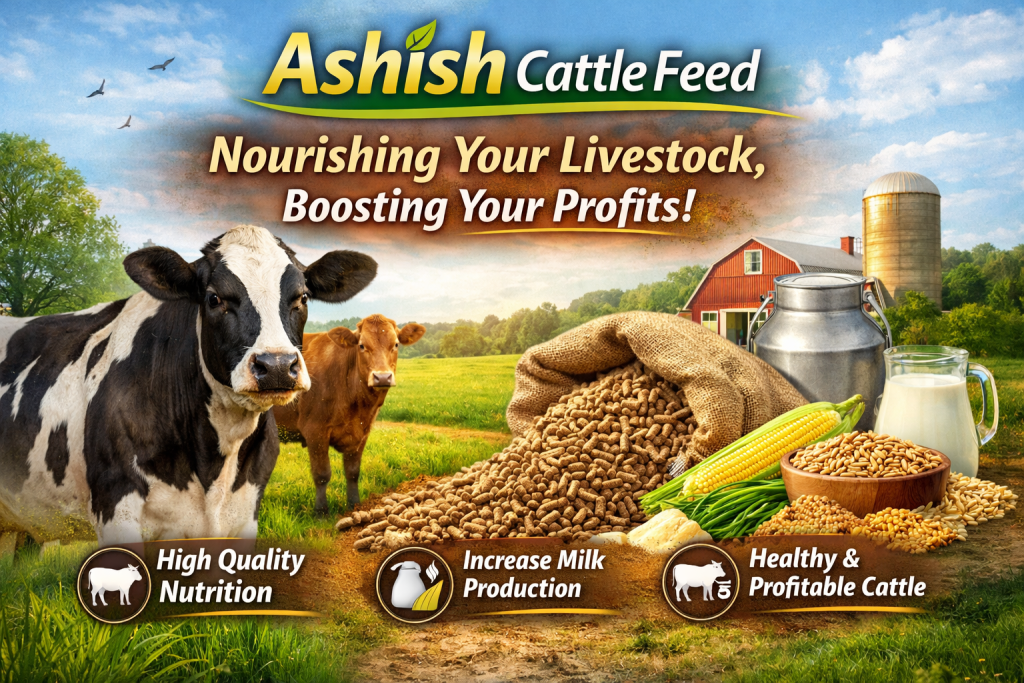
When it comes to livestock farming, one simple truth stands out: healthy cattle produce better results. Whether you’re a dairy farmer or raising cattle for commercial purposes, the quality of feed you provide directly impacts milk yield, growth, and overall animal health. At Ashish Cattle Feed, we understand that feeding your cattle is not just a routine—it’s an investment in your farm’s success. In this guide, we’ll break down everything you need to know about cattle nutrition, the importance of high-quality feed, and how the right choices can significantly boost your productivity. Why Quality Cattle Feed Matters Feeding cattle is not just about filling their stomach—it’s about providing balanced nutrition that supports: Low-quality or unbalanced feed often leads to poor milk yield, diseases, and financial loss. That’s why choosing the right cattle feed brand is crucial. What Makes Ashish Cattle Feed Different? At Ashish Cattle Feed, we focus on delivering nutrient-rich, scientifically formulated cattle feed designed to meet the needs of modern farmers. Key Features: We believe in providing feed that works, not just feed that fills. Understanding the Nutritional Needs of Cattle To get the best results, it’s important to understand what your cattle actually need. 1. Protein Protein helps in: Ashish Cattle Feed ensures the right protein balance for optimal productivity. 2. Energy (Carbohydrates & Fats) Energy fuels daily activities and milk production. 3. Vitamins & Minerals Essential for: Our feed includes essential minerals like calcium, phosphorus, and trace elements. 4. Fiber Fiber helps in proper digestion and prevents stomach-related issues. Types of Cattle Feed You Should Know 1. Dry Fodder 2. Green Fodder 3. Concentrate Feed Best practice: Use a combination of all three for balanced nutrition’s. Benefits of Using Ashish Cattle Feed 1. Increased Milk Production Proper nutrition directly boosts milk yield and quality. 2. Better Animal Health Healthy cattle mean fewer veterinary expenses. 3. Improved Digestion High-quality ingredients ensure easy digestion. 4. Higher Profitability More production = more income. Feeding Tips for Maximum Results Even the best feed works best when used correctly. Follow a Fixed Feeding Schedule Feed your cattle at the same time daily for better digestion. Provide Clean Water Water is just as important as feed—always keep it fresh and available. Avoid Sudden Feed Changes Gradually introduce new feed to prevent digestive issues. Monitor Your Cattle Keep an eye on: Common Mistakes Farmers Should Avoid Overfeeding or Underfeeding Both can harm cattle health and productivity. Ignoring Mineral Supplements Leads to weak bones and low milk production. Poor Storage of Feed Moisture can spoil feed and reduce quality. Why Farmers Trust Ashish Cattle Feed Farmers across regions trust Ashish Cattle Feed because we deliver: We are committed to helping farmers grow—not just today, but long-term. How to Choose the Right Cattle Feed When selecting cattle feed, always check: Ashish Cattle Feed ticks all these boxes, making it a smart choice for modern farming. Future of Cattle Farming: Smart Nutrition Modern farming is evolving, and so should feeding practices. With increasing demand for dairy products, farmers need: Ashish Cattle Feed is designed to meet these evolving needs and support farmers in achieving sustainable growth. Conclusion Cattle farming success starts with the right nutrition. Choosing a high-quality feed like Ashish Cattle Feed can make a significant difference in: If you want your cattle to perform at their best, it’s time to upgrade your feeding strategy.
How to Increase Milk Production In Dairy Cows Naturally
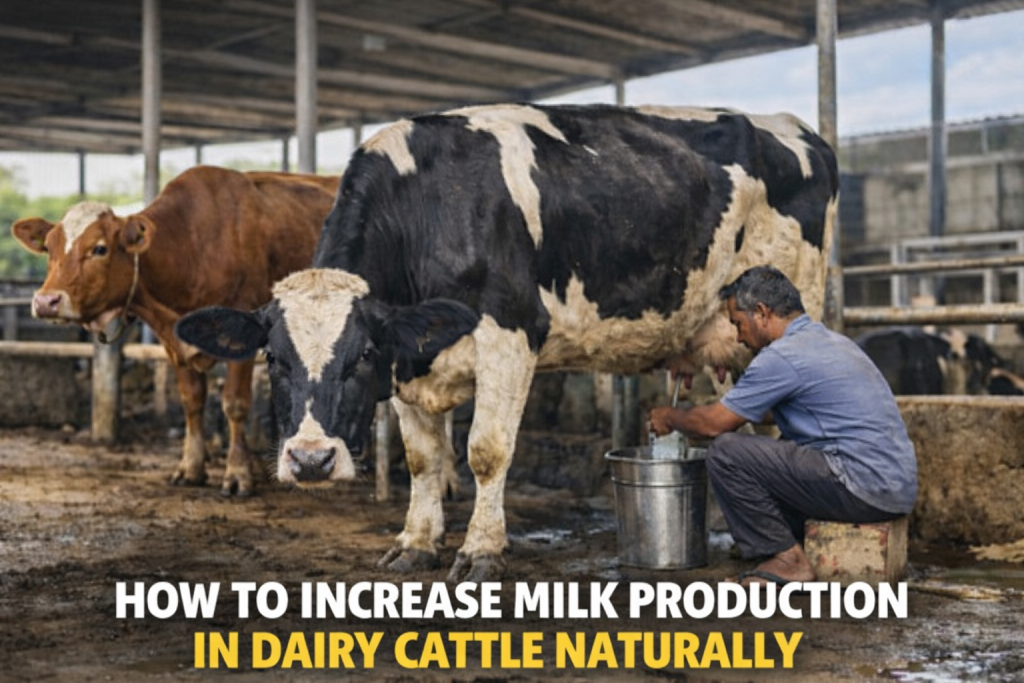
Milk production is the backbone of any dairy farm. Increasing milk yield naturally is not only cost-effective but also ensures better animal health and long-term sustainability. Instead of relying on artificial enhancers, farmers can significantly improve production through proper nutrition, management, and care. This guide explains proven, natural methods to boost milk production in dairy cattle. Understanding How Dairy Cows Produce Milk Before improving milk yield, it’s important to understand the key factors that influence production: Even a small imbalance in these factors can reduce milk output, so a holistic approach is essential. Best Food for Increasing Milk Production Nutrition plays the most important role in milk yield. A balanced diet ensures proper digestion and sustained production. 1. Green Fodder Fresh green fodder is rich in protein and highly digestible. Examples: These directly support higher milk production. 2. Dry Fodder Dry fodder like wheat straw provides essential fiber. Benefits: 3. Concentrated Feed High-quality cattle feed contains: This is especially important during peak lactation. 4. Oil Cakes Protein-rich supplements such as: help improve milk yield naturally. Importance of Colostrum in Dairy Farming Colostrum is the first milk produced after calving. It is thick, yellowish, and nutrient-rich. Why It Matters: Proper colostrum management ensures long-term milk production benefits. Daily Diet Formula to Increase Milk Follow this simple feeding formula: Add-ons: This balanced approach improves digestion and milk yield. Importance of Water Intake Water is often overlooked but is critical for milk production. Comfortable Housing & Stress Management Stress negatively impacts milk production. Best Practices: Healthy and stress-free cows produce more milk. Milking Management Milking practices directly affect yield. Follow These Tips: Irregular milking can reduce production over time. Health Care and Disease Prevention Healthy cows naturally produce more milk. Key Practices: Diseases like mastitis can significantly reduce milk yield if not treated on time. Role of Breed Selection Genetics plays a major role in milk production. High Milk-Producing Breeds: Choosing the right breed or crossbreed can naturally improve productivity. Natural Supplements to Boost Milk Certain natural additives can enhance milk production: These improve appetite and nutrient absorption. Hygiene and Cleanliness Maintaining hygiene is essential for both milk quality and yield. Benefits: Regular cleaning of sheds and equipment is a must. Managing the Lactation Cycle Milk production varies across stages: Adjust feeding and care accordingly to maintain consistency. Common Mistakes to Avoid Avoid these errors to improve milk yield: Correcting these alone can significantly boost production. Final Thoughts Increasing milk production naturally requires the right balance of nutrition, farm management, and animal care and with the Ashish Cattle Feed you can increase it. By focusing on: farmers can achieve sustainable and profitable dairy farming. Natural methods not only increase milk yield but also improve overall cattle health—ensuring long-term success in dairy farming.